
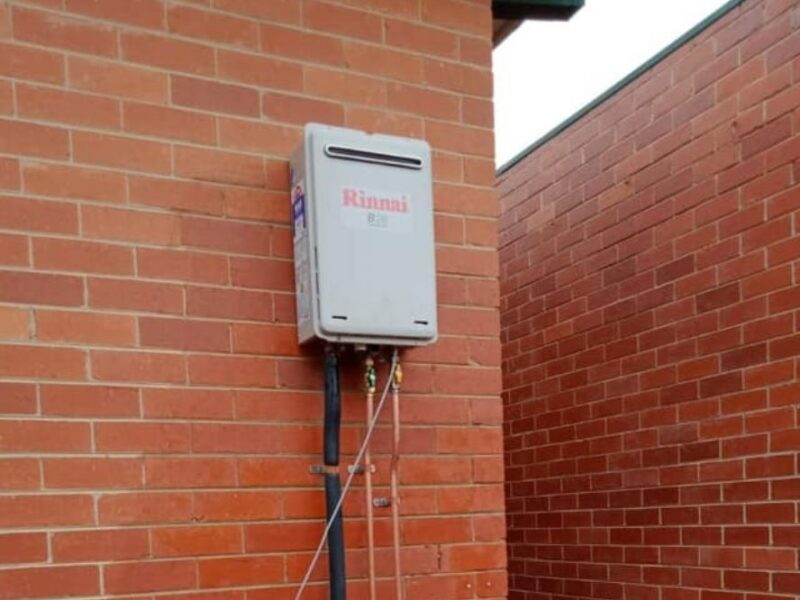
How Hard Water Impacts Hot Water System Lifespan
Most of us don’t think about the hot water system at all. It just works quietly in the background, doing its job every single day. In the morning, you turn on the shower and warm water flows. At night, you wash the dishes, and everything feels normal. It’s just part of daily life.
And then one day, the shower suddenly runs cold. The water pressure feels weaker. Even odd banging or rumbling sounds are coming from the tank. Within minutes, the system that worked perfectly yesterday stops doing its job. Irritating, right?
Most hot water systems don’t just stop working for no reason. The real problem usually starts small and grows slowly. Hard water leaves minerals inside the tank. Over time, this build-up makes the system work harder, and that can shorten its life without you even knowing it. So what exactly is hard water? Let’s understand.
What Is Hard Water?
Hard water is water that contains natural minerals like calcium and magnesium. These minerals are picked up as water moves through soil and rocks. Hard water is safe to drink. It is not dangerous to your health. But when hard water is heated inside your hot water system, those minerals turn into solid deposits. This deposit is called scale.
You may have seen white marks on taps or inside kettles. That same build-up can happen inside your hot water tank, where you cannot see it.
Why Hard Water Is a Problem for Hot Water Systems
Hot water systems heat water again and again every day. When hard water is heated, the minerals separate and stick to the metal parts inside the tank. And with the passage of time, this causes problems.
1. Scale Builds on Heating Elements
In electric hot water systems, the heating element is inside the tank. Scale sticks directly to them. This makes the element work harder to heat water. When this happens:
- Water takes longer to heat
- Energy bills increase
- The element may burn out
The harder your system works, the shorter its lifespan becomes.
2. Sediment Forms at the Bottom of the Tank
Minerals that do not stick to the element sink to the bottom. This creates a thick layer of sediment. Sediment can:
- Reduce the amount of hot water available
- Cause rumbling or banging noises
- Trap heat and overheat the tank
- Damage the inner lining
3. Corrosion Happens Faster
Every storage hot water system has a part called an anode rod. This rod protects the tank from rusting. Hard water makes the anode rod wear out faster. Once the rod is gone, the tank itself starts to rust. Rust leads to leaks. And once a tank leaks, it usually needs full replacement.
Signs Hard Water Is Affecting Your System
Watch out for these simple warning signs:
- Hot water runs out quickly
- Water takes longer to heat
- Strange popping or rumbling sounds
- Rust-coloured water
- Leaks around the tank
- Higher gas or electricity bills
If you notice any of these, it is best to act early. Small issues are cheaper to fix than full replacements.
How Long Should a Hot Water System Last?
Under normal conditions:
- Electric systems last about 8–12 years
- Gas systems last around 10–15 years
But with heavy mineral build-up, the system may fail much earlier. In many cases, hard water and lack of maintenance are the main reasons. That is why regular Hot Water Service in Melbourne is so important. A professional service helps remove sediment, check parts, and make sure everything is working safely.
How to Protect Your Hot Water System
Now let’s have a look at a few tips to reduce the impact of hard water.
1. Annual Tank Flushing
Flushing removes sediment before it becomes a thick layer.
2. Check the Anode Rod
Replacing the anode rod every few years can extend tank life.
3. Install Water Treatment (If Needed)
In some areas, water softeners or filters may help reduce mineral levels.
4. Do Not Ignore Small Signs
Strange noises or temperature changes are early warnings. Acting early prevents bigger damage.
Professional Maintenance: The Key to a Longer System Life
Hot water systems involve high pressure, electricity, or gas. They must be handled safely by licensed professionals. Experienced plumbers understand:
- How mineral build-up affects different system types
- Victorian plumbing regulations
- Safe flushing procedures
- When parts need replacement
They do not just fix visible problems. They check inside the tank, test components, and look for early signs of wear. And if your system stops working without warning, having access to a trusted emergency plumber gives you peace of mind.
Final Thoughts
Hard water may look harmless, but over time, it can slowly shorten the life of your hot water system. Scale, sediment, and corrosion all reduce efficiency and increase wear. The good news is that regular maintenance can make a big difference. A professional check today could add years to your hot water system’s life.
At Essendon Plumbing Services, our licensed plumbers provide expert inspections, hot water system repairs, full replacements, and regular servicing across Melbourne. We focus on safe work, honest advice, and long-term solutions, not quick fixes. Contact us today and keep your hot water system running safely and efficiently for years to come.
 Emergency Plumbing and Insurance Claims in Melbourne: What’s Covered


 19 Catalina Drive Tullamarine VIC 3043
 03 9335 4755
 admin@essendonplumbingservices.com.au